China Economy Overview
Modern China dominates world trade following major reforms, introduced in 1978, that were more focused on market-oriented economic development.
The nations economy is ranked #2 in the world after the United States, but China has been the world’s #1 biggest exporter of goods since 2009.
China accounts for a significant proportion of global trade in natural resources such as aluminum, coal, copper, and iron ore.
In this guide, we give you an overview of China’s economy, including the country’s primary imports and exports.
China’s Top Exports
Here is a breakdown of the most important products exported by China, both commodities and other notable exports.
Commodity Exports
- Refined petroleum – $23.9 billion
- Plywood – $4.12 billion
- Petroleum gas – $2.37 billion
- Tea – $1.75 billion
If you’re interested in trading some of these commodities, you can jump to our list of recommended regulated brokers in at the end of the page.
Other Notable Exports
- Broadcasting equipment – $223 billion
- Computers – $156 billion
- Office machine parts – $86.8 billion
- Integrated circuits – $120 billion
- Telephones – $51 billion
- Other Cloth Articles – $60.7 billion
China’s top three export destinations are the United States ($499 billion), Hong Kong ($282 billion), and Japan ($155 billion).
Hong Kong and the United States are also the fastest-growing export markets, with the Netherlands in the third place.
China’s Top Imports
Total imports of $1.55 trillion make China the second-largest trade destination in the world. Here is a breakdown of the most important products imported by China, both commodities and other notable imports.
Commodity Imports
- Crude petroleum – $150 billion
- Iron ore – $99 billion
- Petroleum gas – $36.6 billion
- Gold – $7.39 billion
- Soybeans – $37.4 billion
- Refined Copper – $31.7 billion
Other Notable Imports
- Integrated circuits – $144 billion
- Cars – $42 billion
- Vehicle parts – $23.9 billion
- Planes, helicopters, and/or spacecraft – $7.45 billion
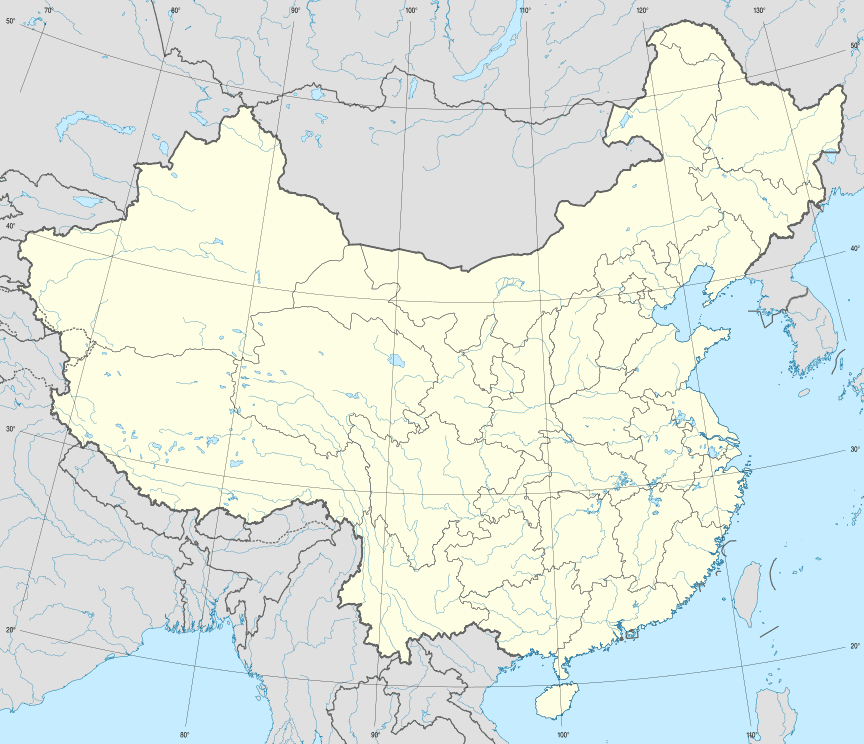
China’s agricultural sector has become increasingly more dependent on imports over the last decade, in particular oil-bearing crops such as soybeans.
GDP of China
China’s GDP is estimated at $14.7 trillion, which ranks it at number 2 in the world behind the United States at $20.95 trillion. China’s GDP per capita is $10,434.
Details on China’s Imports & Exports
Cotton
China is the largest cotton spinner in the world. Its textile industry is also the biggest globally in terms of overall production and exports. China is the biggest importer of raw cotton (the United States is the biggest exporter), and twenty-four Chinese provinces grow cotton. The industry is responsible for employing about 300 million people.
Tea
The Asia Pacific region is the largest tea producer and China plays a pivotal role in global tea production.
Bad weather and cold temperatures can have a notable impact on tea production and has affected growth rates in certain years.
The Chinese government abandoned its system of quotas and licensing restrictions on tea exports in 2006. This has seen a rise in private companies in the market alongside state-owned companies.
Rice
The annual production of rice accounts for almost half of the country’s total grain output.
China is responsible for about 30% of global rice production. Rice yields in China have risen significantly since the introduction of scientifically-bred high-yield dwarf rice that has proven resilient in cold and adverse weather conditions. Even so, China is also the world’s biggest importer of rice – to the value of $1.72 billion annually.
Soybeans
China is now emerging as one of the biggest importers of soybeans and has signed contracts that maintains its commitment to import billions of dollars of soybeans from the United States.
Iron Ore
China is the biggest importer of iron ore by some margin. Imports total around $99 billion annually, which is over 60% of total global iron ore imports.
Interested in Trading Commodities?
Interested in trading cotton, gasoline, tea, and other important Chinese commodities? Start your research with reviews of these regulated brokers available in .
| Broker | Details | Sign up |
|---|---|---|
 | User friendly platform and leading risk management tools. | Open Account Now Plus500 Review |
 | Social trading to copy leading traders. | Open Account Now eToro Review Copy Trading does not amount to investment advice. The value of your investments may go up or down. Your capital is at risk. |
 | Established for 40+ years. | Open Account Now HYCM Review |
 | Proprietary technical analysis features. | Open Account Now Markets.com Review |
 | Up to 400:1 leverage available for professional traders. | Open Account Now AvaTrade Review |
 | Reverse trades up to 1 hour with dealCancellation. | Open Account Now easyMarkets Review |
 | Up to 500:1 leverage for pro traders, share CFDs on stocks with no mark-up. | Open Account Now Pepperstone Review |
 | Multiple trading platforms and over 1,700 stocks. | Open Account Now XTB Review |
Data last reviewed:
CFDs are complex instruments and come with a high risk of losing money rapidly due to leverage. Between 52.00%-86.00% of retail investor accounts lose money when trading CFDs. You should consider whether you can afford to take the high risk of losing your money.
Sources and Further Reading
- All numbers are based on OEC 2020 calculations and projections unless otherwise stated.
- Learn more about the state of world government debt from our country debt clock pages.
- See our global economic indicator guide to more than 45 other countries.
- Learn more about the Zhengzhou Commodity Exchange (ZCE), a securities exchange in China that operates a marketplace for trading, clearing, and settling agricultural and other commodities futures and options.
Also see our guides on stock, CFD, and commodity brokers to find out which online trading platforms are available in .
All currency is reported in US dollars.
Update history
This page was revised 5 times between July 2020 and April 2022.
Updated trade statistics across multiple sections with current import/export figures, revised GDP data, added context about China's cotton imports, and inserted informational alert about GDP growth.
Restructured page organization by demoting section headings, consolidating overlapping content in China Economy Overview, and updating cross-references to related guides.
Added commodity trade data across five new sections covering China's top imports and exports, including detailed breakdowns of cotton, tea, rice, soybeans, and iron ore production and trade figures.
Added image with source attribution to Overview of the Chinese Economy section.
Added economic overview with GDP rankings, export statistics, detailed commodity breakdowns, and import data across multiple sections covering China's trade dominance.
The Commodity Briefing
The stories behind the prices. Surprising, useful, occasionally weird - in your inbox every weekday.
- Price moves
- Supply shocks
- Macro drivers
Before you go
Get The Commodity Briefing - free, 2 minutes.